
Understanding Torrefied Material
Learn more about how to measure the impact of thermal treatment on your biomass and how that impacts your end users.
-
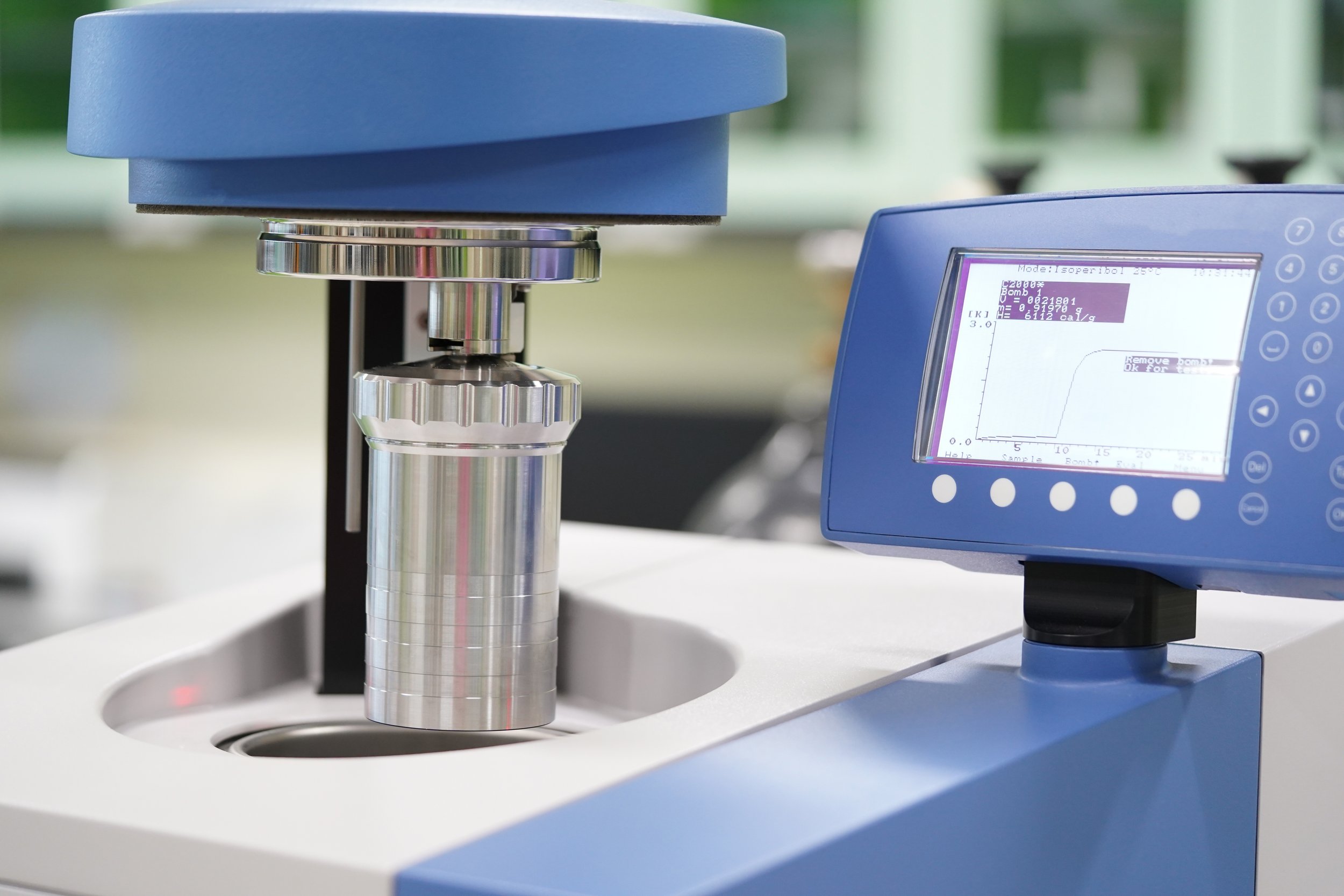
Calorific Value
The energy content of sample material is determined using a bomb calorimeter. This information is critical, particularly in thermal applications, for assessing the impact of substituting or co-firing your torrefied product with coal or other fuels.
-

Proximate Analysis
Using a thermogravimetric analyzer (or muffle furnace), we can measure the relative percentage of moisture, volatile matter, fixed carbon, and ash in your sample. Each of these has an impact on how it will perform in various applications.
-
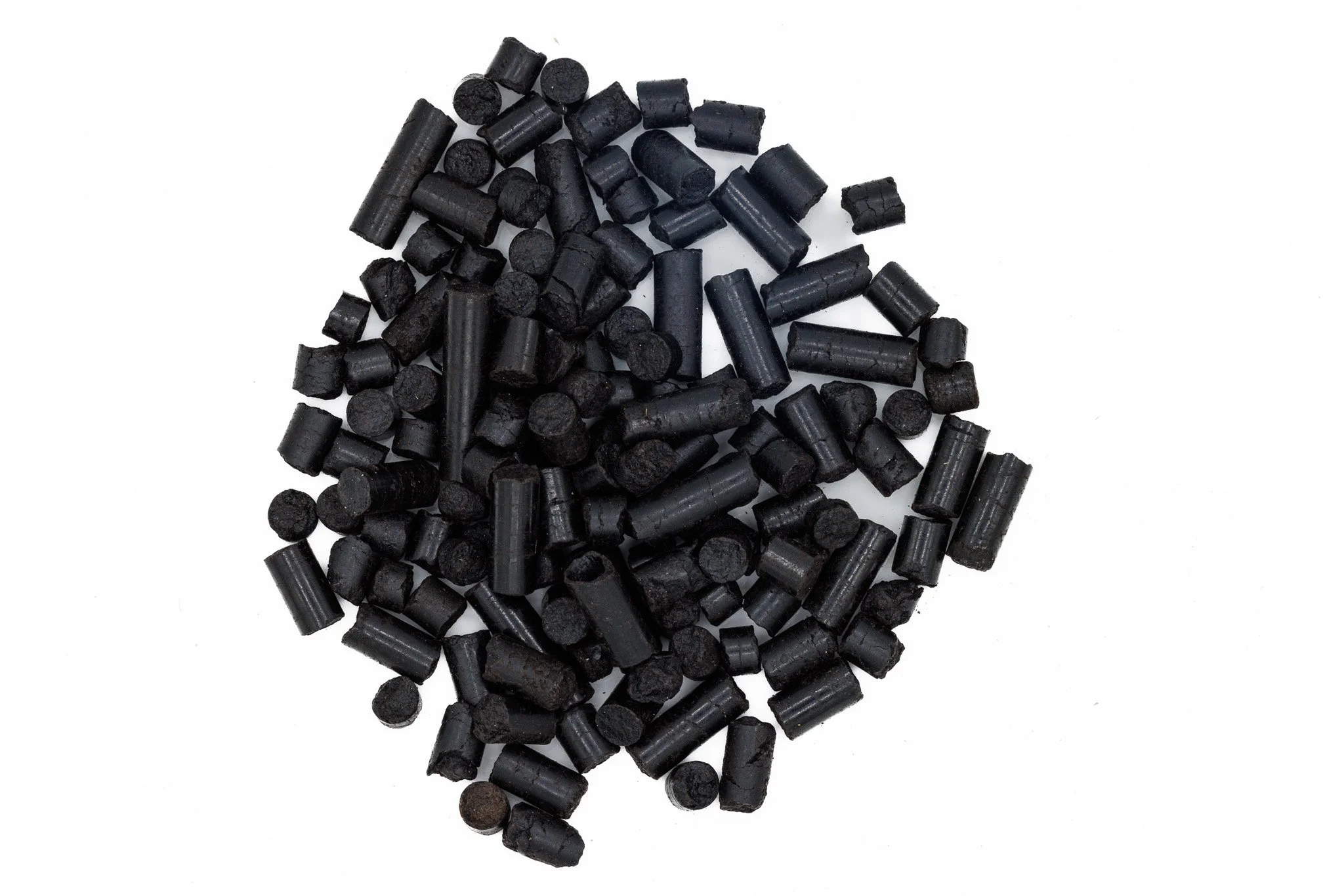
Mechanical Durability
After making pellets, mechanical durability can be tested by tumbling the material and assessing how much of it breaks off into fine particles. This is critical for logistics handling and end users of the material.
-
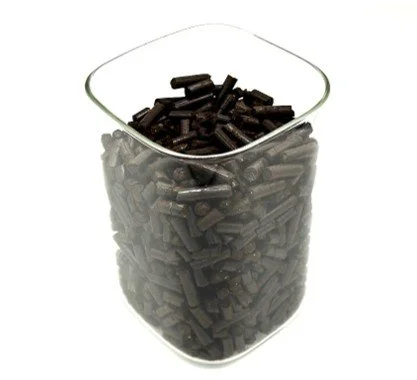
Bulk density
Bulk density of the material is critical to understanding logistics cost for shipping and handling. Bulk density is measured by using a precision container and scale.
-

Ultimate Analysis
A molecular breakdown of carbon, nitrogen, sulfur, and oxygen (major elements in biomass) can be done using an elemental analyzer.
-
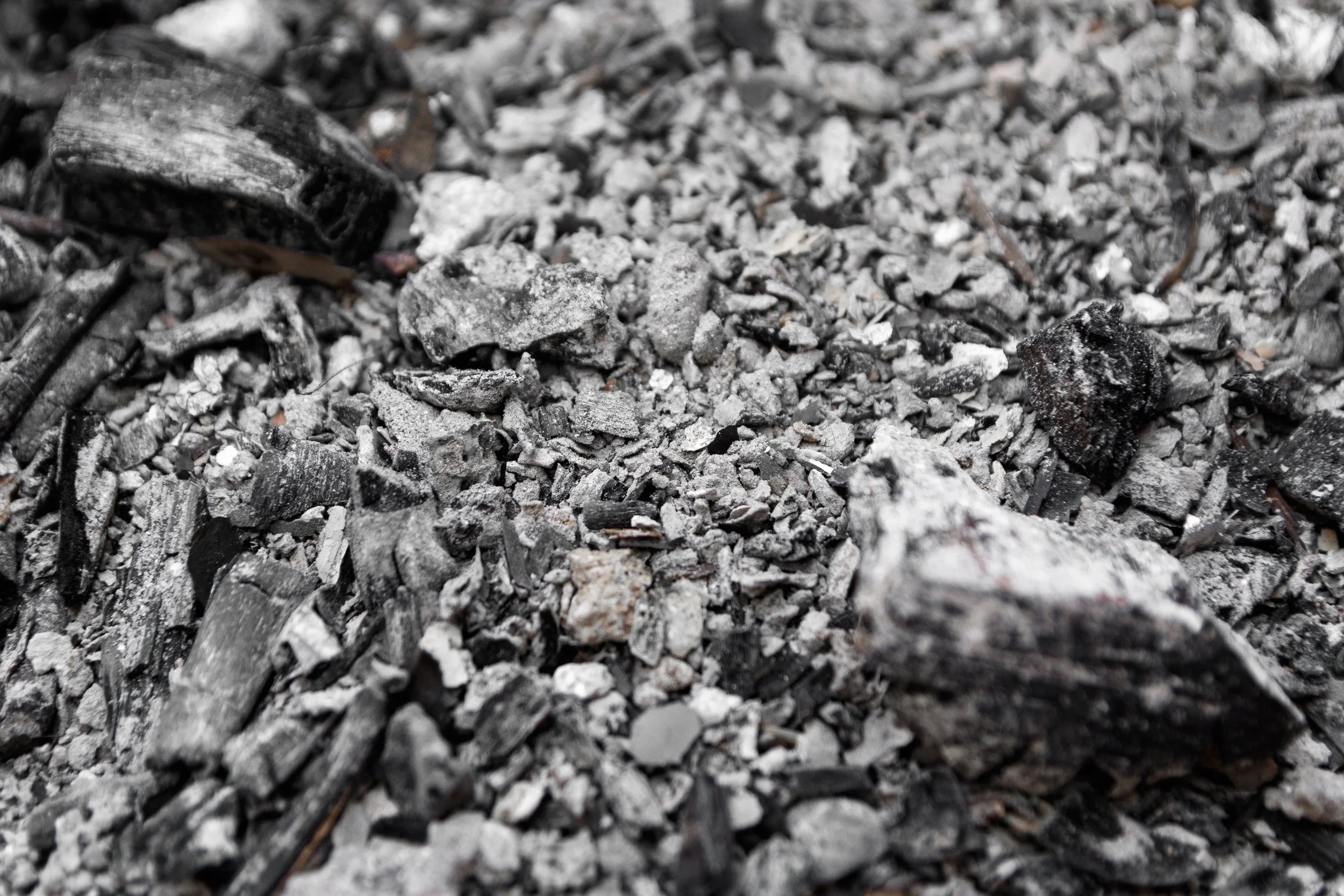
Ash Fusion Temperatures
By heating the sample in an oven and measuring the temperatures at which various changes occur in the ash, it’s possible to understand the impact your feedstock will have on various types of furnace systems, including any impacts related to combustion surfaces and heat exchangers.
-
Self-heating
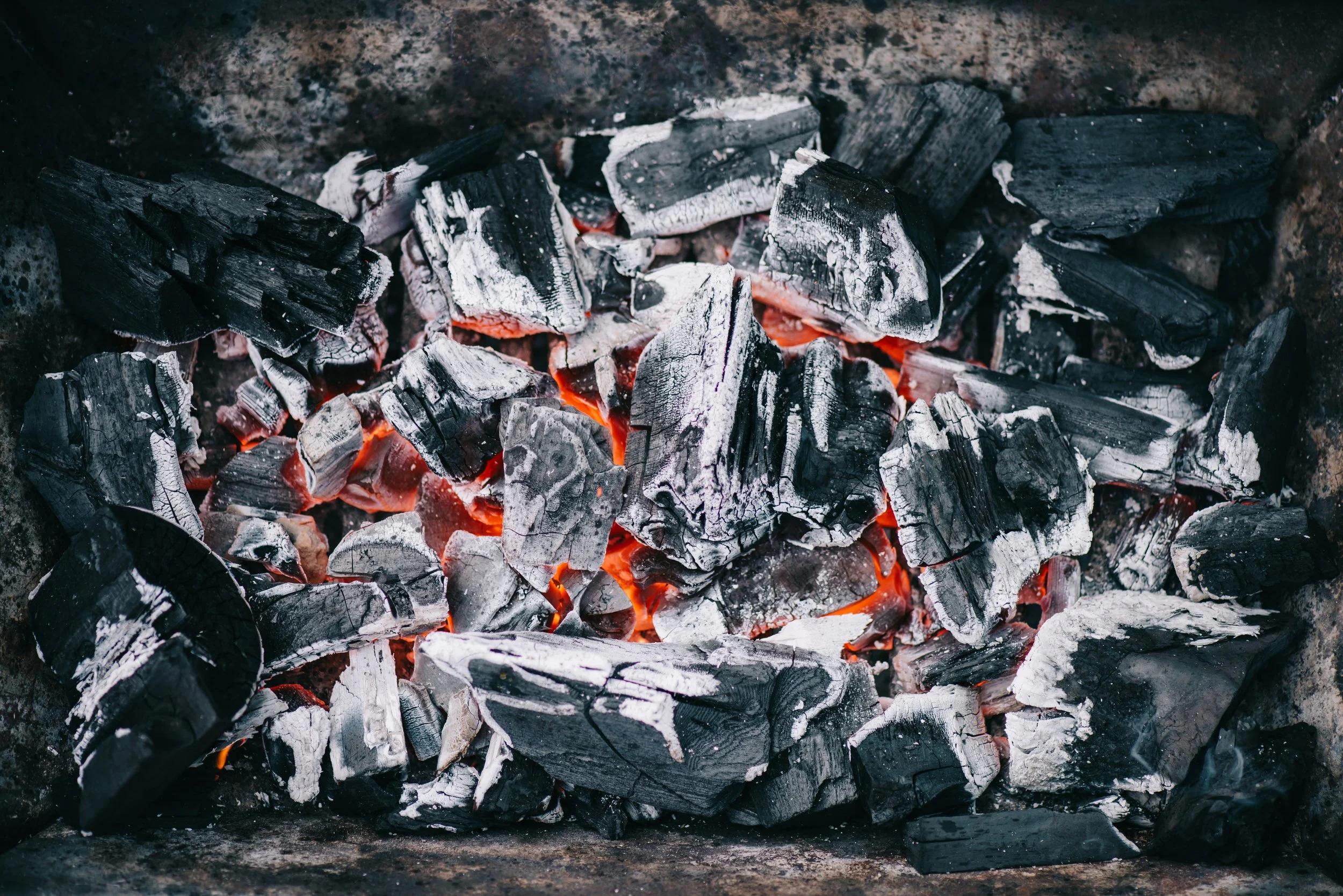
Shipping of bulk cargo is regulated by the International Maritime Organization, a specialized agency of the UN. The UN specifies a series of tests to determine the potential of a material to self-heat when shipped by different methods.
-
Ash trace materials analysis
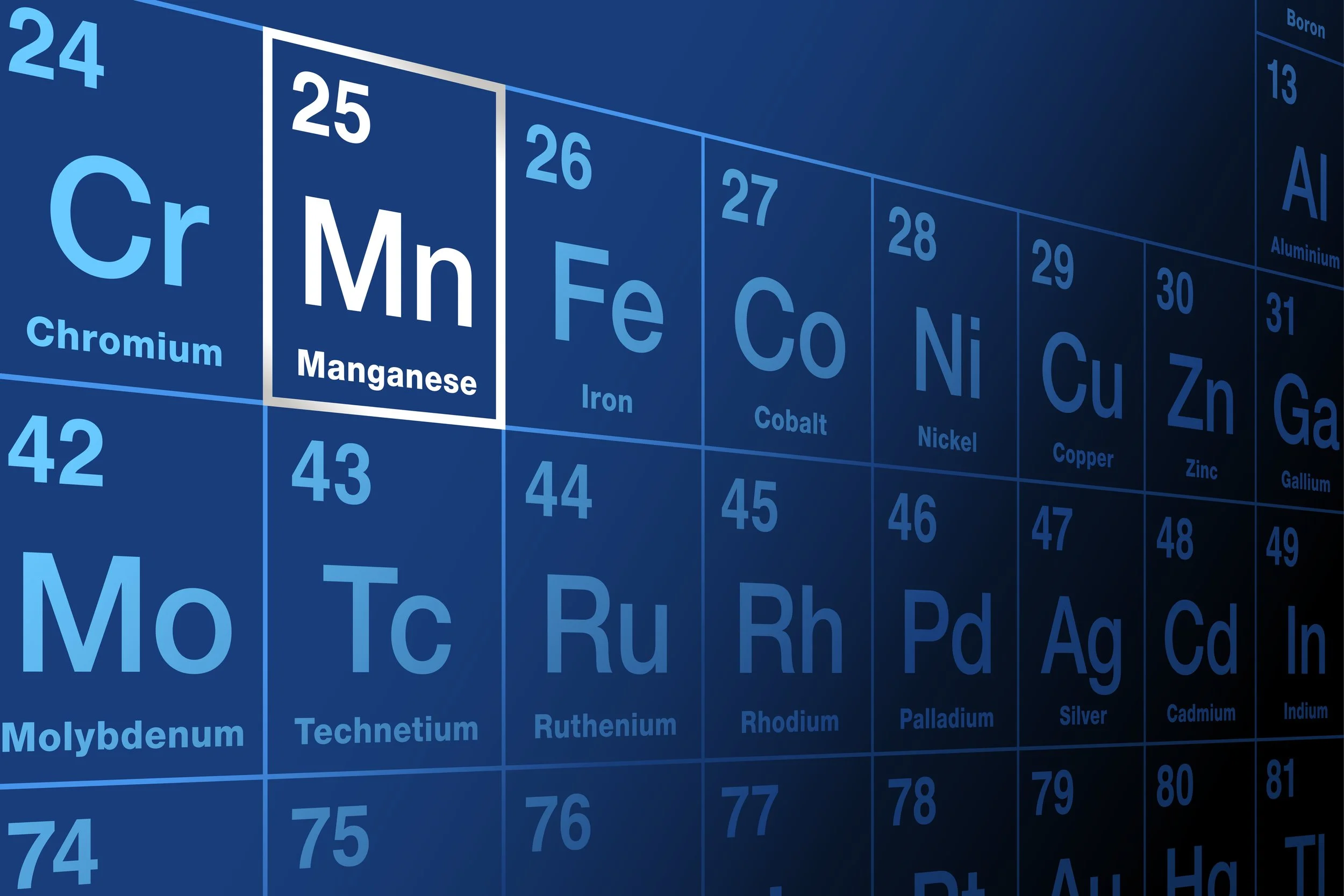
Assessing the trace materials in the ash is critical to determine if there are any potential harmful flue gases which may require additional treatment. Special considerations must be made for ash handling, or if elements like potassium or chloride may corrode the equipment (if combusted in a boiler system). Elemental makeup also has an impact on the material’s suitability for use in specialized applications like steel making.
-

Gas and condensibles
If you’re looking to do more with the torrgas generated in the process than combust it in the process burner, you may be interested in the makeup of the gas (including elemental and CV analysis) and any condensable oils or tars, as these could provide additional revenue streams for your project.
-

H/C Ratio
Determining the ration of hydrogen to organic carbon is critical to determining whether your carbonized product qualifies as biochar, and, if-so, how long it will sequester carbon. Biochar sequestration, when properly qualified, can be sold on carbon markets and offer additional revenue to your project.